Adverse Childhood Experiences (ACEs)
What are ACES?
“ACEs” stands for “Adverse Childhood Experiences.” These experiences can include things like physical and emotional abuse, neglect, caregiver mental illness, and household violence. Examples of ACEs include:

- Experiencing parental divorce or separation
- Having a family member who is incarcerated
- Living with a family member who is addicted to alcohol or other substances
- Living with a family member who is depressed or has other mental illnesses
- Experiencing physical and emotional neglect
- Experiencing physical, emotional and sexual abuse
- Witnessing a mother being abused
Long Term Effects of ACES
In situations of prolonged childhood trauma, a child’s brain and body will produce an overload of stress hormones that can harm the function and structure of the brain. Because children’s brains are developing at a rapid pace, this can be particularly harmful to them, changing how they will learn, respond to stress and make decisions for the rest of their life.
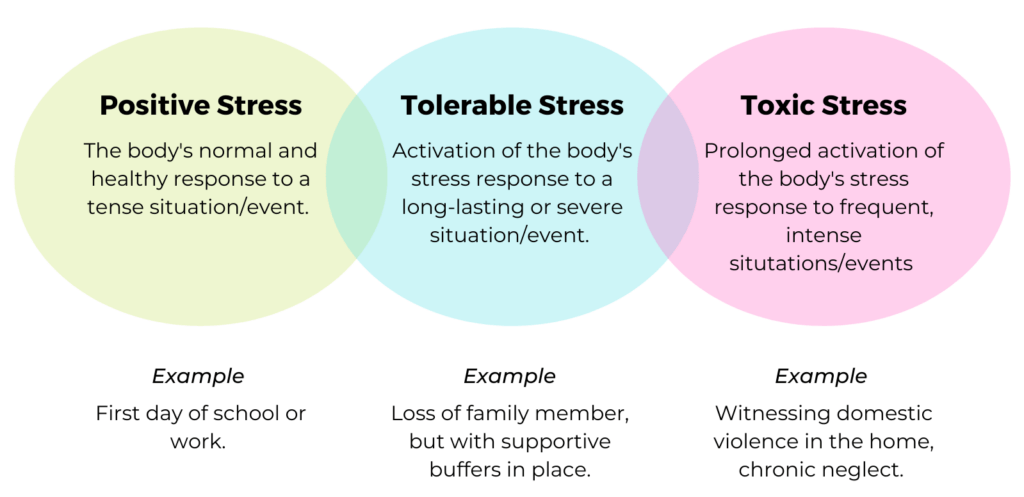
Childhood trauma can lead to the adult onset of chronic diseases such as heart disease, mental health conditions like depression, as well as an increased likelihood of experiencing drug use, violence and being a victim of violence. Experiencing adversities such as these during childhood can change the way the brain develops and functions. The more ACEs a person experiences in childhood the more likely they are to suffer from significant health issues such as heart disease, diabetes, and stroke.
Adverse childhood experiences increase the risk of opioid misuse and overdose and suicide later in life. A recent CDC study examined the association between experiencing ACEs and recent opioid misuse, finding the odds of opioid misuse increased as the number of adverse childhood experiences increased. Physically or emotionally traumatized people are at much higher risk for drug use and substance use disorders.
Mitigating the Consequence of ACEs
While ACEs are related to health and behaviors later in life, they are not a guarantee of any particular outcome. The negative health effects of ACEs can be tempered when people have a strong support system and the skills to successfully cope with life’s challenges. This coping ability is called resilience. The presence of protective factors, particularly safe, stable environments, nurturing relationships, and therapy, can help to mitigate the consequences of ACEs. Individuals, families, and communities can all support the development of protective factors through a child’s life that can impact their development.
Understanding risk factors provides a new way to approach people in our lives who may benefit from extra support. It is important for everyone to know that no matter the experience, there is always hope for a positive outcome. Risk does not define destiny.
Let’s Talk Addiction & Recovery Podcast: Adverse Childhood Experiences (ACEs) and Addiction
One of our board members was featured on Hazelden Betty Ford’s Let’s Talk Addiction & Recovery Podcast to speak on ACEs. Listen to the full episode below: