
Common Treatment Approaches
There are many medical and holistic strategies for addressing chronic pain. Treatment plans are often multidisciplinary, involving providers from multiple specialties to manage pain and improve quality of life.

Physical Therapy
Physical therapy is care that aims to ease pain, and improve movement and mobility. A physical therapy treatment plan may include:
- Flexibility exercises to improve mobility
- Strength exercises
- Low-impact aerobic exercises to improve endurance
- Manual therapy (or massage therapy)
- Posture awareness training
- Hot and cold packs
Injections
Injections are typically a minimally invasive procedure that can provide temporary pain relief. Cortisone injections are a common example, but other treatments like Botox can help with migraines, nerve pain, and more.
Epidural Steroid Injections
Epidural steroid injections are commonly used for lower back pain but may also help with upper back and neck pain. Steroidal medication is injected into the epidural space around the spinal cord. These injections work to reduce the body’s overall inflammatory response. On average, these effects last about 3 months.
Selective Nerve Root Blocks (SNRB)
Selective nerve root blocks (SNRB) are another common pain management injection. These injections deliver an anesthetic close to particular nerves, in an effort to interrupt nerve signals before they can get to the brain and register as pain. This can be used for both diagnosis and treatment: it helps determine if pain is being caused by a particular nerve, and if this is due to irritation or inflammation of the nerve itself. Up to three of these injections may be given within a six-month time frame.
Joint Injections
Joint injections deliver medication (typically cortisone and a local anesthetic) into the joints — such as your ankle, elbow, hip, knee, shoulder, spine or wrist — to help relieve pain and inflammation. These injections may be helpful in treating back pain, bursitis, gout, osteoarthritis, and tendinitis. In general, providers will not provide cortisone injections more than once every six weeks, with an overall limit of three or four injections a year.
Trigger Point Injections (TPI)
Trigger point injections (TPI) can help relax knots of muscles that may be causing pain in other parts of the body (for example, a trigger point in the neck is a common cause of tension headaches). The injection contains a local anesthetic or saline, and may include a corticosteroid. TPI is used to treat many muscle groups, especially those in the arms, legs, lower back, and neck. In addition, TPI can be used to treat fibromyalgia, tension headaches, and myofascial pain syndrome. With the injection, the trigger point is made inactive and the pain is alleviated. The effects of these injections can last about one month.
Botox Injections
Botox injections, while more generally known for their cosmetic applications, can also have therapeutic benefits for individuals with muscle spasms or tension headaches. When injected directly into a muscle, Botox can block certain nerve signals that control muscle activity and can reduce uncontrolled muscle contractions and relax contracted muscles. These effects can last 3 to 6 months.

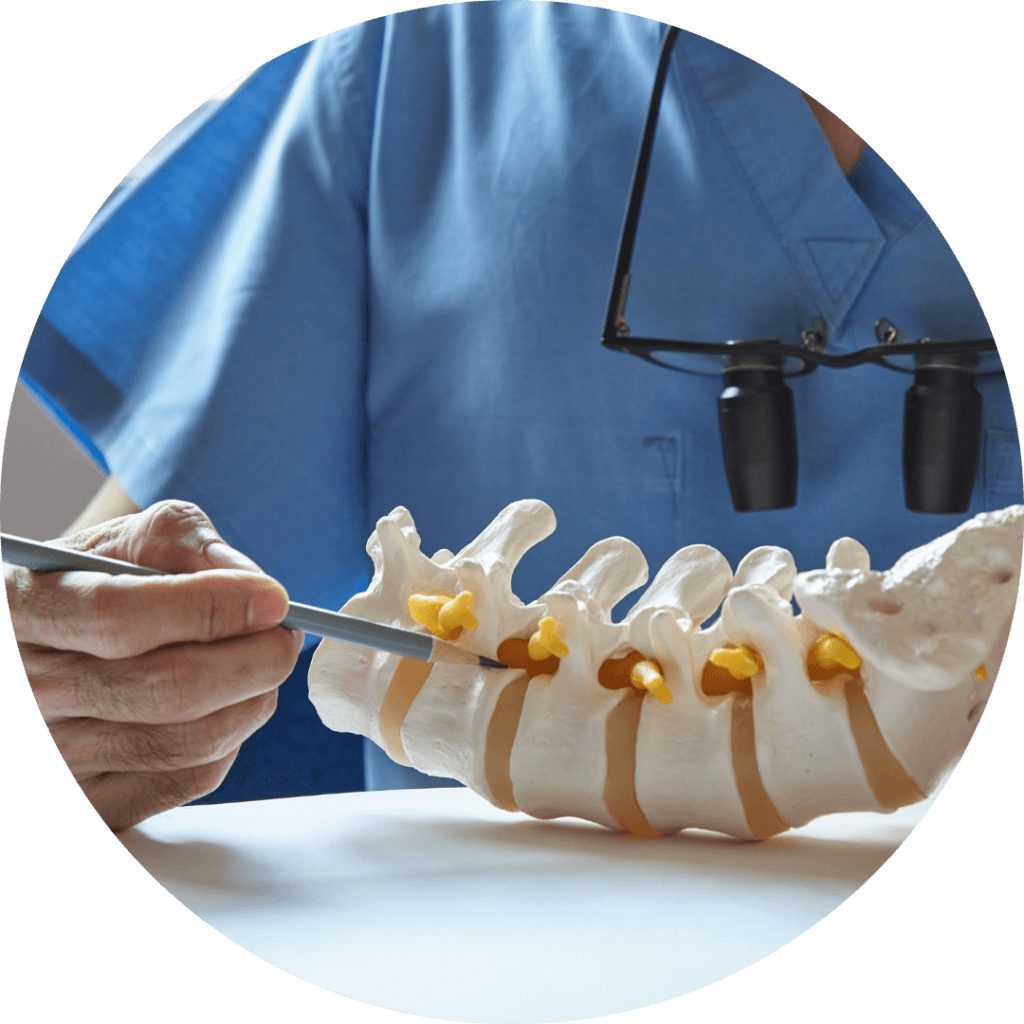
Surgery, Implants, and Stimulators
Surgery may be used to try to correct an injury causing chronic pain issues, while implants can provide relief or disrupt a malfunctioning pain signal. These techniques require an anatomic cause of pain and are most often used in cases where pain is severe, causes significant complications and has proved resistant to noninvasive strategies.
Nerve Stimulators
Spinal cord stimulators and peripheral nerve stimulation both use mild electrical pulses to disrupt pain messages to the brain, reducing the feeling of pain.
Medication Pumps
Spinal pump technology allows for medication to be delivered directly into the cerebrospinal fluid. By targeting delivery of the medication, lower doses can be used, potentially reducing side effects.
Medications
There are many prescription and over-the-counter medications that have been shown to be effective for the management of certain chronic conditions. There is active research in this area and new medications are expected in the future.
Nonsteroidal Anti-Inflammatory Drugs (NSAIDs)
NSAIDs (Ibuprofen, Advil®, Aleve®) are most effective for mild to moderate pain caused by swelling or inflammation; commonly used for arthritis and pain resulting from muscle sprains, strains and soreness, back and neck injuries.
Acetaminophen (Tylenol®)
Acetaminophen is most effective for mild to moderate pain, like a skin injury, headache or musculoskeletal condition. Acetaminophen is often prescribed to help manage osteoarthritis and back pain.
COX-2 Inhibitors (Celebrex®)
COX-2 inhibitors have reduced side effects when compared with traditional NSAIDs. Effective for mild to moderate pain caused by swelling or inflammation; commonly used for arthritis and pain resulting from muscle sprains, strains and soreness, back and neck injuries.
Anti-depressants (nortriptyline, etc)
Some anti-depressants can reduce the impact of cooccurring mood disorders on perceived pain, and may also interfere with the chemical processes of experiencing pain.
Anti-seizure medications (gabapentin, etc)
Anti-seizure medications have sometimes been found to help relieve chronic pain, including back pain, fibromyalgia and diabetes-related nerve pain.
Topical medications
Topical medications include products like creams, gels and patches which can be applied directly to the skin to relieve nerve pain and inflammation. Some topical medications are available over-the-counter, while others require a prescription. Some common topical pain relievers include lidocaine, capsaicin, and Aspercreme.
Cannabis and Cannabinoids
While research into the safety and efficacy of medical cannabis is ongoing, a recent study indicated that chronic pain is the most common qualifying condition for medical cannabis patients nationwide.

Yoga and Tai Chi
Yoga and Tai Chi are both mind-body practices and can be part of a holistic and integrative approach to managing chronic pain. Studies have found that yoga and Tai Chi have both been shown to strengthen muscles, improve mobility, reduce inflammation, and have a positive impact on stress and mood. While both practices include breath work, stretching and posture, and involve a series of poses, in yoga, poses are typically held for longer, while Tai Chi focuses on integrated movements and flows.
Acupuncture/Acupressure
Acupuncture can be used as part of an integrative medicine approach and involves inserting small needles into the skin in order to release the body’s own pain blocking chemicals and promote the release of anti-inflammatory agents. Acupressure is a related technique, which substitutes blunt pressure using fingers or tools to stimulate the body and relax muscles.
Cupping is another therapy being more commonly integrated into holistic pain treatment strategies; this technique uses suction to promote blood flow and lymphatic drainage to targeted areas of the body.

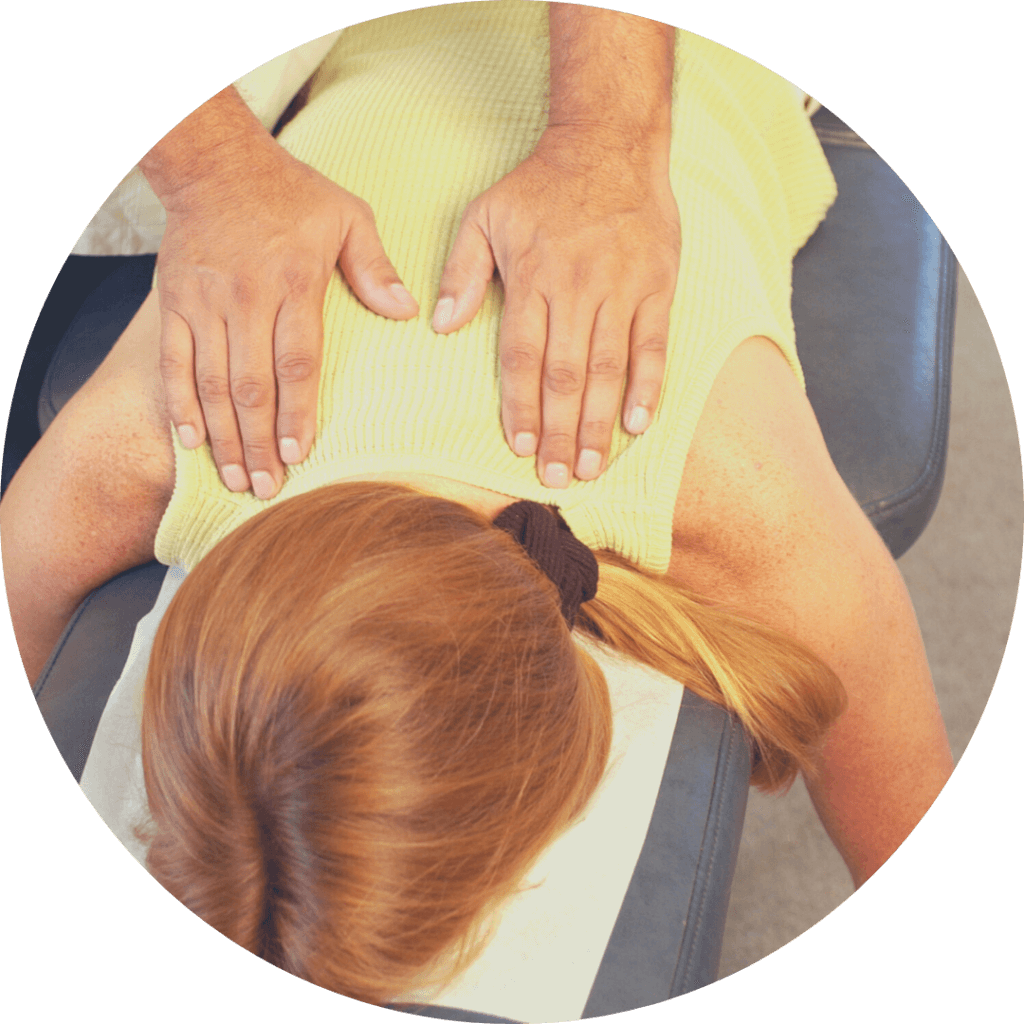
Chiropractic Care
Chiropractic care may help reduce pain by addressing the nervous and musculoskeletal systems through muscle and joint manipulation. Chiropractors use treatment methods like soft-tissue therapy or skeletal adjustments to correct the body’s overall alignment and mobility.
SRHN does not provide medical advice, diagnosis, or treatment. Any information published on this website or by this brand is not intended as a substitute for medical advice, and you should not take any action before consulting with a healthcare professional. Prior to starting any medication or treatment plan always consult a medical doctor or other qualified healthcare provider regarding questions that you may have about any past, present, or suspected medical conditions and how those medical conditions may be impacted by starting any medication or treatment plan. Never disregard professional medical advice in seeking treatment because of something you have read on the SRHN Website.