
The Physiology of Chronic Pain
How is pain generated and experienced by your body? This information is helpful for understanding the many factors that could contribute to your pain, and why chronic pain can be challenging to treat.

What is Pain?
The basic definition of pain is an experience of suffering or distress; a throbbing headache, a sharp cut, etc. Pain generally acts as a protective mechanism for the body, but sometimes the body’s pain response can malfunction, leading to persistent or chronic pain.
Acute pain is created by the body’s response to damage. The nervous system generates signals that create an unpleasant sensation when interpreted by the brain, alerting the body to current or potential threats. When functioning properly, pain is adaptive, and serves an important purpose: it teaches the body how, when and what to avoid in order to stay alive.
However, certain conditions may make pain less useful and more problematic, and it becomes known as chronic pain, which is maladaptive. This type of pain can prevent our ability to engage in normal activity rather than protect it.
How You Feel Pain
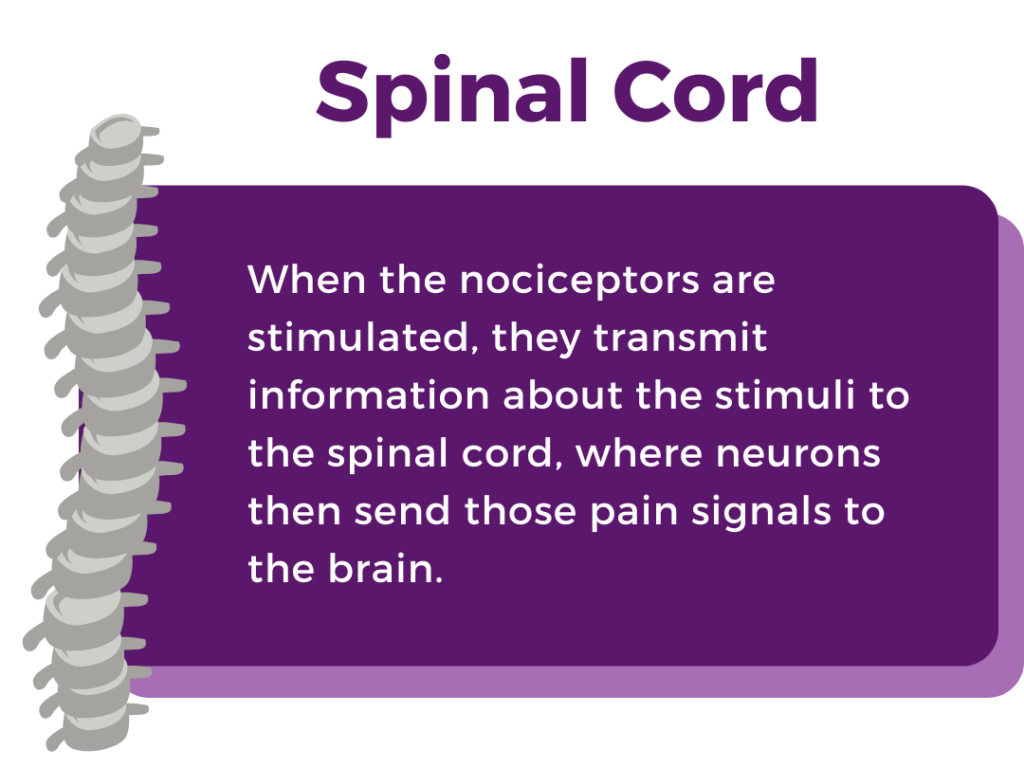
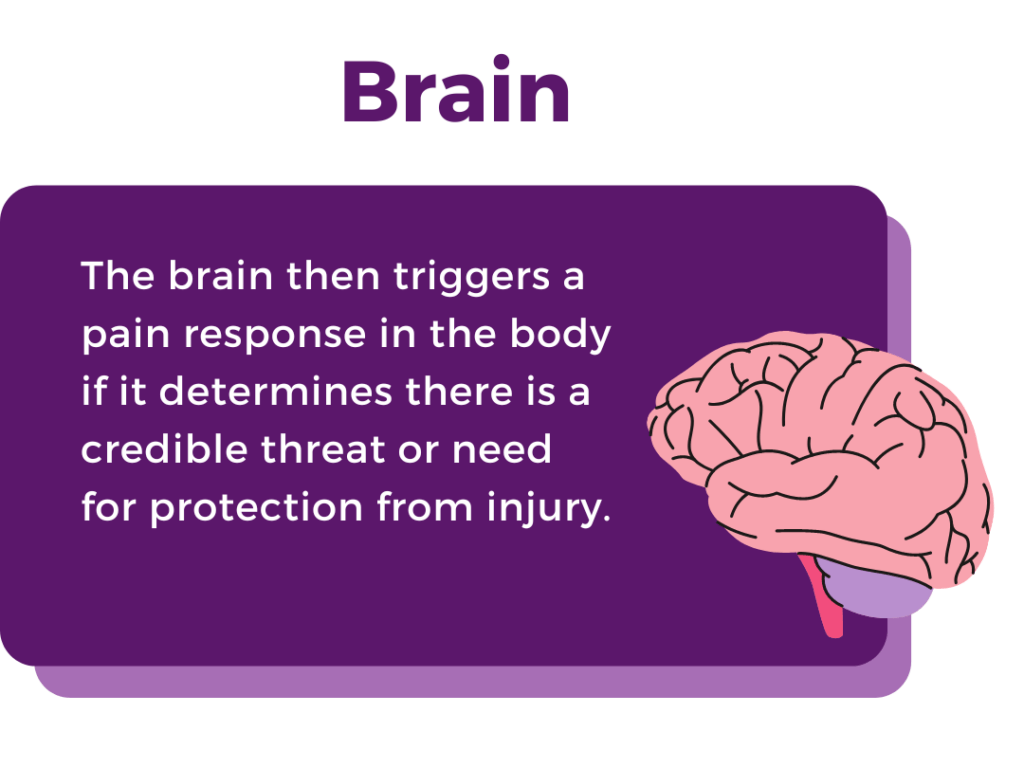
Pain is the result of a series of electrical and chemical exchanges in the body. The pain response involves three main components which constitute the body’s pain pathway: peripheral nerves, the spinal cord, and the brain.


What is Chronic Pain?
Acute pain is sudden, sharp, and typically caused by something specific — a burned hand, a broken bone, or surgery. This type of pain has a clear source, and tends to resolve once the issue has been treated and the injury has healed, usually in a matter of weeks. Any pain lasting three or more months is considered chronic pain, and is no longer protective.
Chronic pain can stem from an improperly healed injury, persistent conditions like arthritis or fibromyalgia, or a malfunctioning nervous system. Because the exact source may be difficult to identify and treat, effectively addressing chronic pain may require a combination of therapies, medications, and lifestyle changes.

SRHN does not provide medical advice, diagnosis, or treatment. Any information published on this website or by this brand is not intended as a substitute for medical advice, and you should not take any action before consulting with a healthcare professional. Prior to starting any medication or treatment plan always consult a medical doctor or other qualified healthcare provider regarding questions that you may have about any past, present, or suspected medical conditions and how those medical conditions may be impacted by starting any medication or treatment plan. Never disregard professional medical advice in seeking treatment because of something you have read on the SRHN Website.