
Opioids for Chronic Pain
Opioids are powerful medications used to block pain signals and alter the sensation of pain. Opioids are commonly used to treat short-term pain, like after surgery or during cancer treatment. Long-term use of opioids, however, has been associated with additional risks and poor pain control.

Opioids for Pain
Prescription opioids are powerful pain medications such as: Hydrocodone (Vicodin®, Norco®), Oxycodone (OxyContin®, Percocet®), Hydromorphone (Dilaudid®), Tramadol (ConZip®, Ultram®), Oxymorphone (Opana®), and Fentanyl (Duragesic®).
Opioids work by binding to receptors in the brain and blocking pain signals. While this can be useful for treating and managing short-term (acute) pain, long-term use can change how the body responds to these substances, and may lead to tolerance, dependence or addiction.
Opioids are responsible for the majority of accidental overdose deaths in the U.S., and misuse and overdose are a risk even for prescribed medications. It’s important to talk to your doctor about potential risks of long-term opioid use.
Opioid-Induced Hyperalgesia
In addition to tolerance, dependence, addiction, and overdose, another risk that has been associated with long-term opioid use is opioid-induced hyperalgesia (OIH). OIH is a complex phenomenon where the body becomes more sensitive to pain stimuli than before, due to opioid exposure. OIH is similar to tolerance in that both result in reduced pain relief from a constant opioid dose. While tolerance might be managed with an increased dosage, the same increase in a patient with OIH would result in a worsening experience of pain.
Naloxone and Co-Prescribing
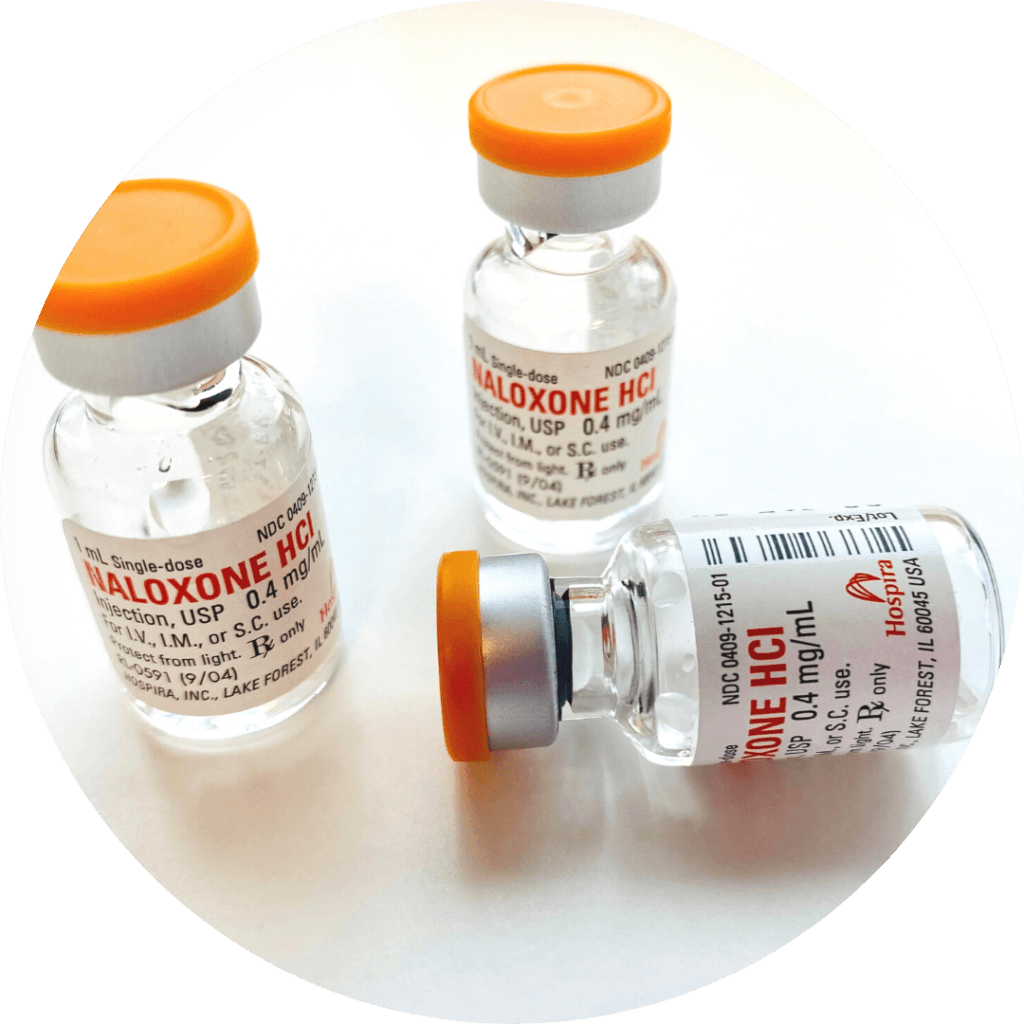
If you are using prescribed opioids, it’s a good idea to have the naloxone available as well. Some providers will prescribe naloxone along with opioids as a standard practice, given the risk of potential overdose attributed to these medications. Naloxone can reverse an overdose caused by opioids in the system, which might occur from unexpected interactions between opioids other medications or substances, taking more than the recommended dosage, or accidental ingestion by others in the household.
Naloxone is typically covered by insurance and available as the nasal spray, NARCAN®, from pharmacies. Individuals can also get injectable IM naloxone at no cost from community organizations, including the Steve Rummler HOPE Network.
The History of an Epidemic
During the first wave of the crisis, the U.S. medical community was rethinking the way that pain was treated. As part of broader efforts to improve pain care, the FDA approved OxyContin to treat moderate to severe pain in 1995. Despite positive intentions, this decision stemmed from misrepresentations of OxyContin as “less than 1% addictive”. This false claim was heavily marketed, and in turn created a widespread belief that opioids were safe for long term use. Opioid prescriptions were written in record numbers, fueled by pharmaceutical companies’ assertion that these drugs were a low-risk solution for a wide range of medical issues. OxyContin, originally intended for moderate to severe pain, was misprescribed to treat even headaches or toothaches (Jones, et. al). This over-reliance on opioids exposed more patients to medications that posed a risk for tolerance, dependence, or use disorder.
Pain was, and it still is, widely misunderstood. Education and research in relation to pain management and prescription application is lacking. David Julius, chair of physiology at the University of California, San Francisco School of Medicine, says, “We use ‘pain’ as one word, but I think it reflects a panoply of different disorders.” Pain has long been treated with a limited array of drugs that don’t necessarily distinguish one type of pain from another. By the early 2000’s pain was categorized as a “fifth vital sign” (VA.gov), though this designation was removed only three years later due to concerns about the impact of overprescribing. New standards encouraged hospitals to have patients rate their pain on a 10-point scale to give clinicians quantitative information on which to base treatment decisions. The rethinking of pain management led to new concepts such as “pseudoaddiction”, the idea that addictive behaviors could be seen as undertreated pain, with the solution being to prescribe more opioids (Greene and Chambers). These initiatives to redefine pain were heavily supported by pharmaceutical manufacturers, as they could be used to promote their opioid products.
It is widely acknowledged that opioids can still be very effective in stabilizing people after injury and surgery. These medications can also be beneficial in providing relief for cancer, end-of-life care, and palliative patients (CDC). The most important element of managing both chronic pain and potential use disorders is building engaged and informed patient-provider relationships. Health professionals continue to learn about the risks involved with the prescription of opioids, and the safest practices when considering treatment options for their patients. The CDC created a guide for clinicians in 2016 that “addresses 1) when to initiate or continue opioids for chronic pain; 2) opioid selection, dosage, duration, follow-up, and discontinuation; and 3) assessing risk and addressing harms of opioid use” (CDC). It is these types of documents that will help patients experiencing pain receive educated and informed care, while recognizing the risks involved with the use of opioids.